I Alamnagar

Heart of Bihar • Madhepura District

A digital window into Alamnagar's villages, temples and people – from history and culture to today's development stories and the local online bazaar.

Kali Temple Fair

Grand Mela Celebrations

Flood Resilience

Life in the Kosi Belt

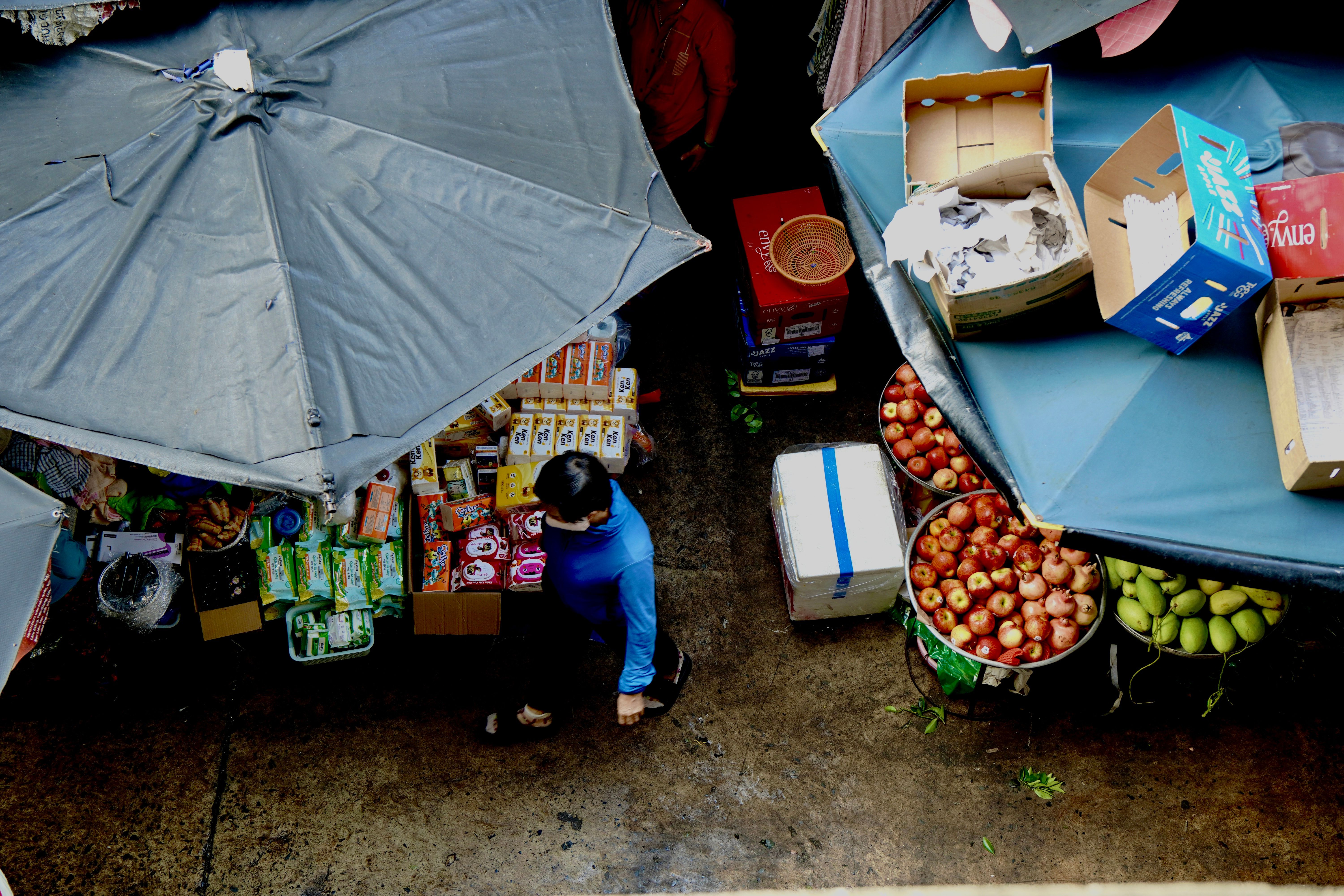
Alamnagar Bazaar

Daily Market Energy

Chhath Puja

Faith & Sunrise

Agriculture

Maize & Paddy Fields

Village Life

Serenity at Dusk

1.75 L+
Population
14+
Panchayats
~48%
Literacy
186 km²
Area

History & Heritage

Roots of the land

Name & Origin

Alamnagar is believed to have grown around a small riverside settlement that gradually turned into a key halt between the Kosi–Ganga plains and the older trade routes of North Bihar. Over time, local rulers and zamindars associated the area with the Mughal-era figure Shah Alamgir, and the name “Alamnagar” began to be used to describe this expanding cluster of villages and markets. The word combines “Alam,” meaning world or realm, and “nagar,” meaning town.

Freedom Struggle

Alamnagar’s political voice grew out of the wider freedom struggle that swept across Madhepura and North Bihar. The area drew inspiration from nearby icons such as Raja Rash Bihari Lal Mandal and B.N. Mandal, who challenged colonial power, caste hierarchy and feudal control. During the 1942 Quit India upsurge, young revolutionaries from this region followed Jayaprakash Narayan’s call to hoist the Tricolour at government offices, and martyrs like Chulhay Mandal paid with their lives.

Administration

Alamnagar began as a cluster of agrarian villages in the Kosi belt under the larger Madhepura subdivision. With the reorganisation of community development blocks, this rural pocket was upgraded into a full-fledged block, recognised today as one of Madhepura district’s official administrative units. Its importance grew further when Alamnagar was notified as Assembly Constituency No. 70, grouping Alamnagar, Puraini, and Chausa.

Sacred Places

Kali Temple

Famous for grand Kali Puja & Mela.

Hanuman Temple

Tuesday worship & gatherings.

Shiv Temple

Shravan month celebrations.

Durga Temple

Navratri Celebrations.

Local Masjid

Symbol of communal harmony.

Village Shrines

Local Deities & Samadhis.

Social Updates (Live)

Direct from the block

LIVE

Kali Mela Crowd (Live)

LIVE

Road Project Ward 5

REC

Kosi River Level

Today's Alamnagar

Economy

Alamnagar’s economy is still built on small and marginal farming, with families growing paddy, maize and pulses in the Kosi belt and increasingly trying to add dairy, fisheries and goat-rearing to stabilise incomes as floods and input costs rise. Recent news from nearby Chausa shows how strongly farmers here depend on government schemes. Like the rest of Kosi division, Alamnagar sends a large share of its young workers to states such as Punjab, Delhi and Gujarat.

Education

With an overall literacy rate around 52% in 2011, the block has gradually built up a dense network of government and private schools such as N.K.M. High School Shah Alam Nagar, project girls’ schools, and primary clusters like Ms Ethari. Newer English‑medium and coaching centres prepare students for board exams. State programmes on school safety and environment clubs aim to push literacy steadily upward.

Health

Alamnagar hosts a Community Health Centre (CHC) that works as the main government referral point for nearby panchayats, handling normal deliveries and basic emergency care. Around this CHC, several Primary Health Centres try to serve flood‑prone Kosi villages, but repeated epidemics of diarrhoea and vector‑borne diseases show that the block still needs stronger staffing and clean drinking‑water systems.

Culture & Festivals

The Maithili-Angika Soul

Food

Alamnagar’s everyday plate looks like a classic Kosi–belt thali: rice or roti cooked with mustard oil, hearty dal, seasonal vegetables and river fish, with families still preferring home‑grown grains and backyard greens over packaged food. The wider region is famous for Bihari staples such as litti–chokha, sattu‑paratha, chana ghugni, kadhi‑badi and mustard fish curry, while festive days bring sweets like malpua, balushahi, khaja and especially makhana kheer, reflecting how fox‑nut production in the Kosi basin has turned this local superfood into both a cash crop and a signature snack for Alamnagar households.

Folk & Language

Everyday speech in Alamnagar is a fluid mix of Maithili, local Hindi and Angika‑influenced words, reflecting its location inside the Mithila–Kosi belt where Maithili is traditionally the dominant mother tongue. Folk culture lives through Maithili songs sung at weddings, Chhath and Sama‑Chakeva—women’s chorus pieces, planting and flood‑season songs, and playful sayings that slip between “hamra gaam” Hindi and soft Maithili, giving the block its own sound, humour and emotional vocabulary.

Festivals

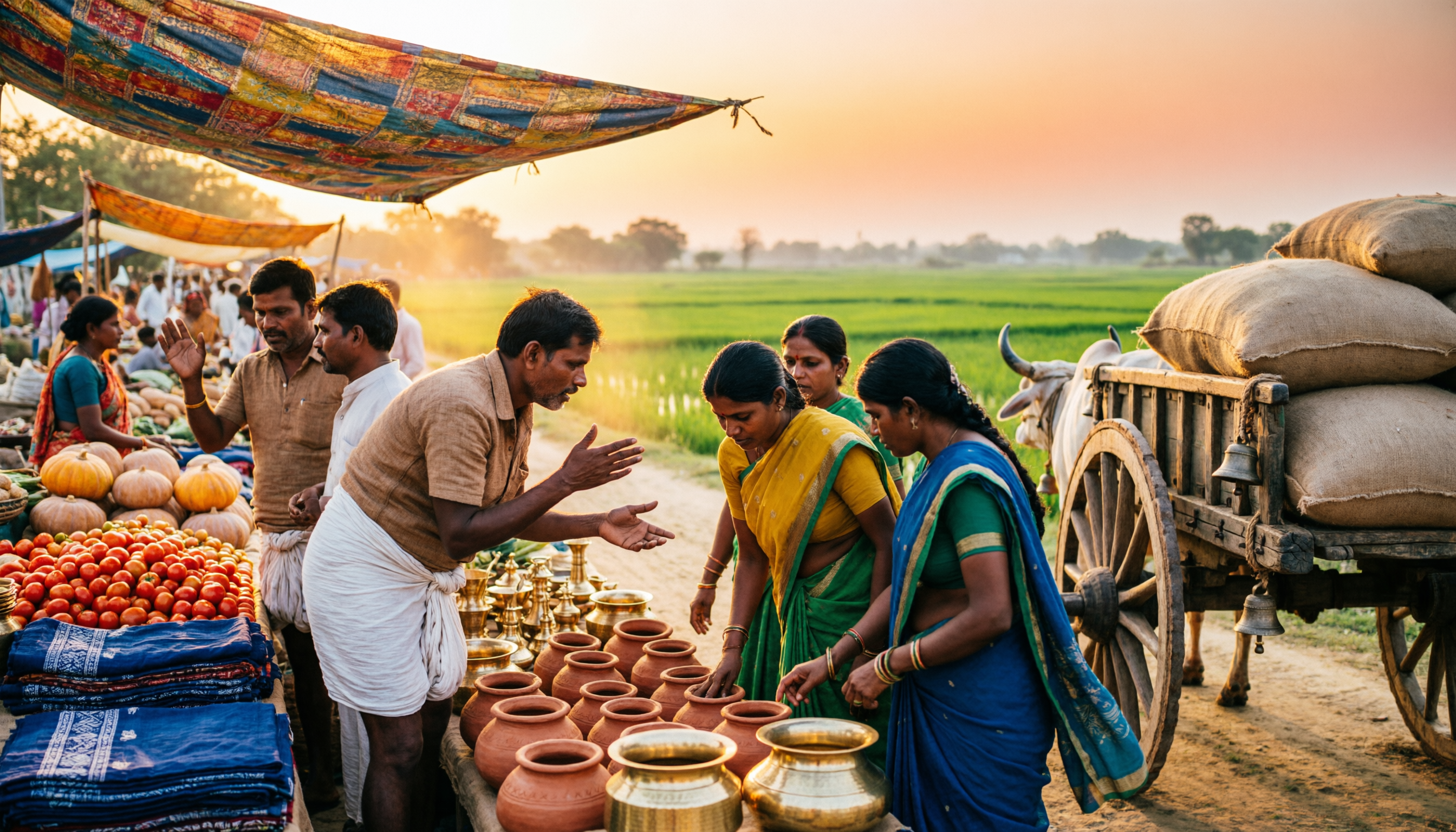
Alamnagar’s festival calendar follows the wider Mithila–Kosi rhythm: Chhath Puja on the Kosi and village ponds is the most powerful gathering of the year, when families across castes stand side by side at sunrise and sunset to offer arghya and songs to the Sun. Soon after, the air fills with Sama‑Chakeva folk songs celebrating brother–sister bonds, while Durga Puja pandals, Ram Navami processions, Eid namaz in local masjids and the famous Kali Mela—where people from dozens of nearby villages visit the fairgrounds—turn Alamnagar into a shared cultural space of lights, stalls, rides and community feasts.

Alamnagar Bazaar

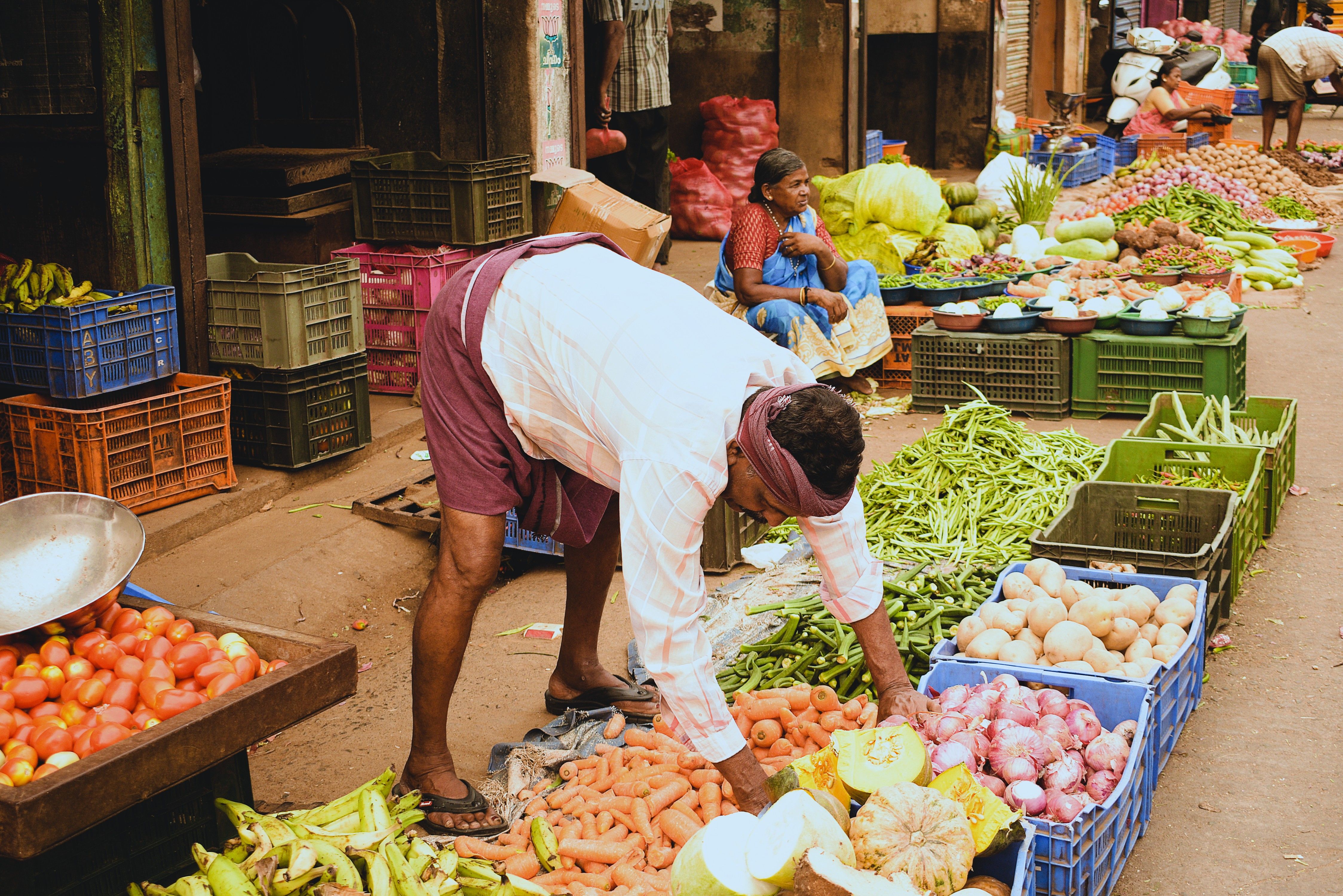
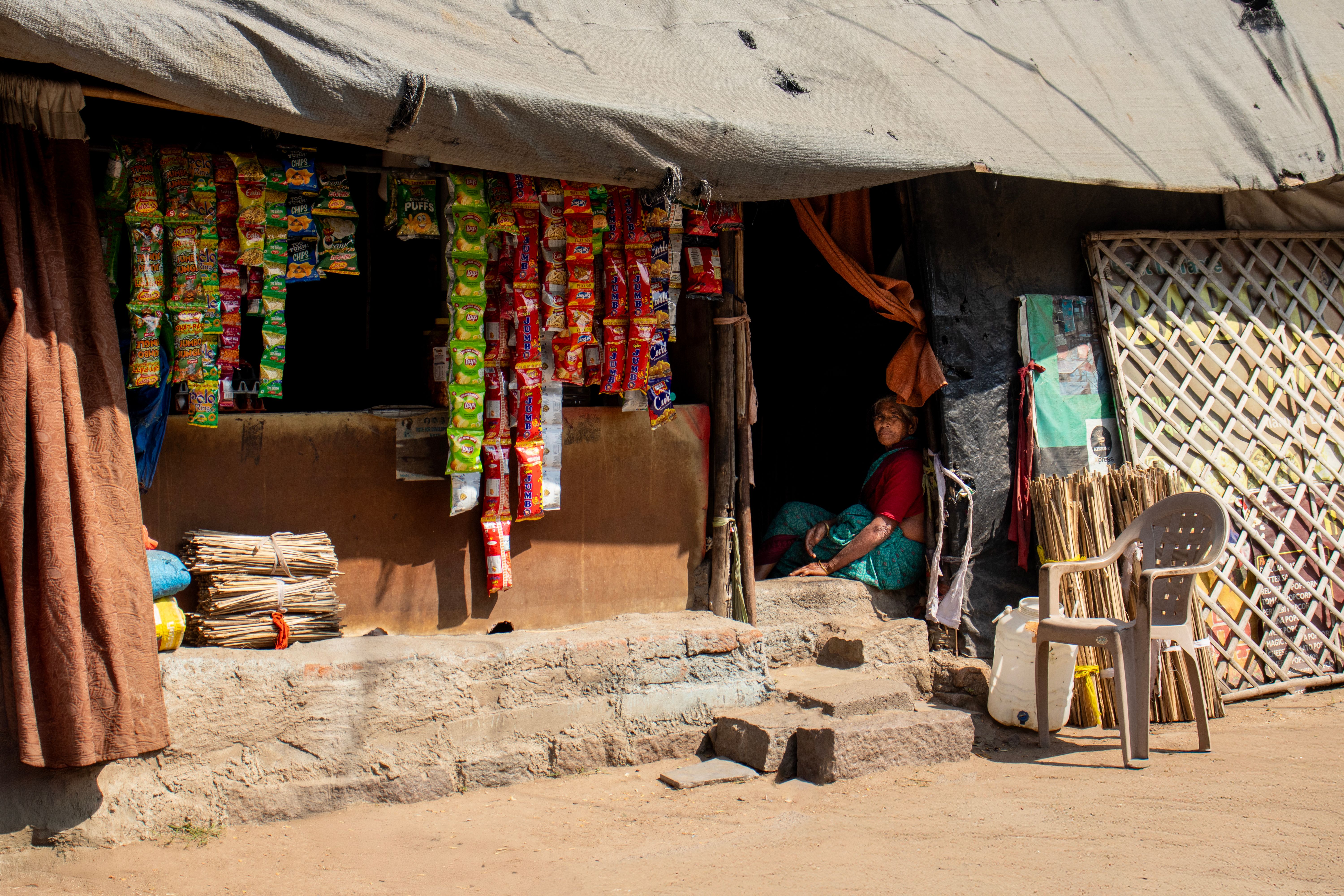
Local kirana, farm produce & services. COD Only.

Local SellersBihar PIN 85xxxx

Select Product

Fill Form

We Call You

Popular
🧂

Masala Combo

Haldi, mirch, dhaniya

₹120
Local
🌾

Alamnagar Rice

Local Paddy (25kg)

₹2800
Service
🔧

Plumber Visit

Leak repair

₹Visit

COD Form

News

Block Updates

New road construction in northern panchayats.

Schemes

PM Kisan verification camps active this week.

Stories

Features on local entrepreneurs.